Serving Westfield, MA and surrounding areas. (413) 454-0027
Westfield Concrete
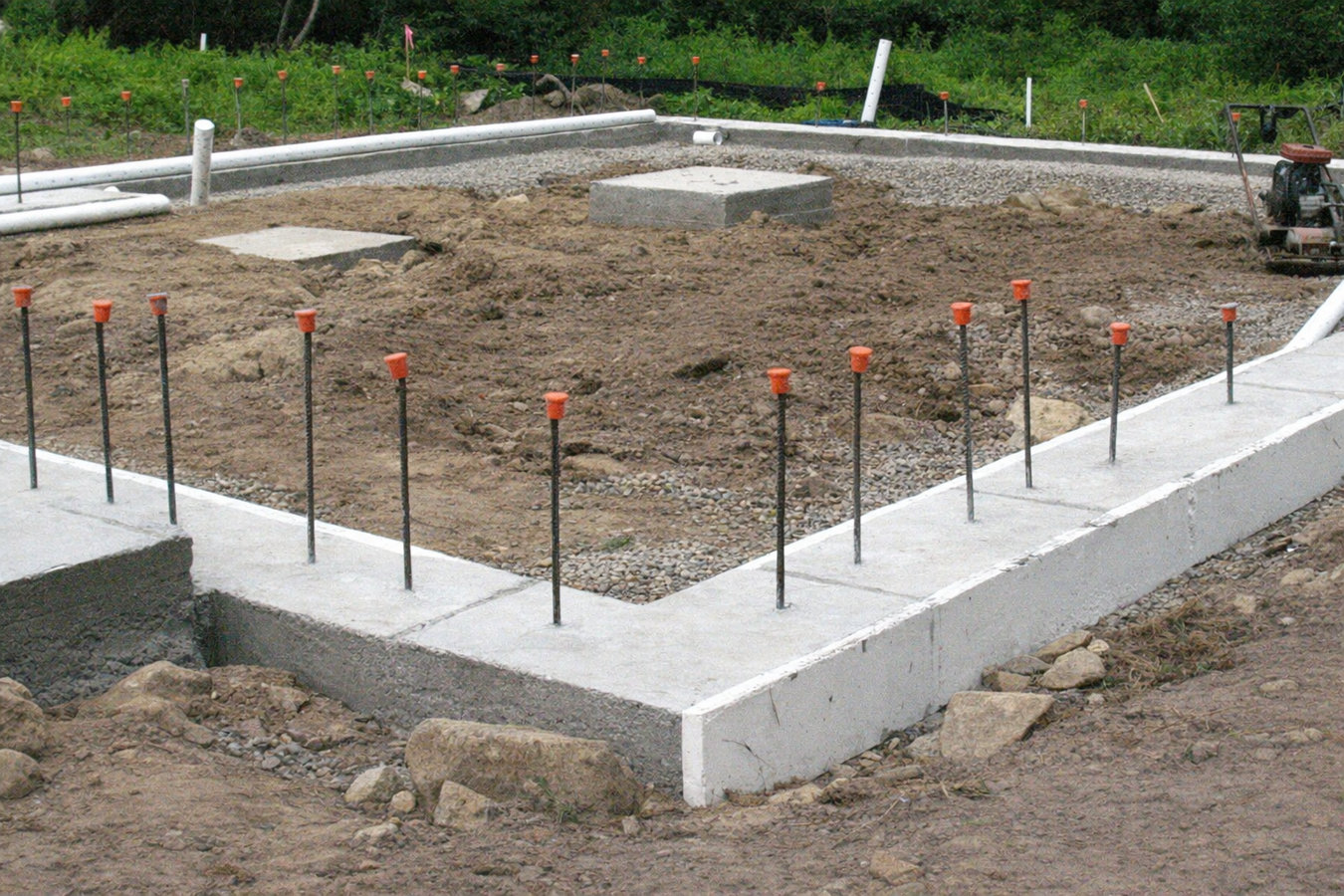
Deck posts shifting, an addition settling, or starting a new project from scratch? We pour concrete footings to the 48-inch frost depth Hampden County requires so the structure above stays level for decades.
Concrete footings in Westfield, MA transfer structural loads from posts, walls, or slabs down to stable soil below the frost line - Hampden County requires a minimum depth of 48 inches, and most residential footing projects are completed in one to two days of active work before the cure period begins.
A footing placed above the frost line in this climate is not a shortcut - it is a failure waiting to happen. When the ground freezes, it expands and pushes anything anchored to it upward. When it thaws, it may not return to the same position. After several winters, a shallow footing can shift enough to tilt a deck, crack a concrete apron, or pull anchor bolts out of alignment.
Many footing projects in Westfield connect to larger structural work. If you are planning an addition or building from the ground up, concrete footings are the starting point - and they need to be sized correctly for the structural load before anything above them is built. We also work alongside foundation installation projects where the footing is the first element placed.
A deck, porch, or addition that has started to tilt or settle unevenly is a clear sign the footing beneath it has moved. In western Massachusetts, footings placed above the frost line are pushed upward each winter and may not return fully when the ground thaws. Over several freeze-thaw cycles, the cumulative movement becomes visible and structural.
Diagonal cracks in masonry or poured concrete walls, especially those that follow a stair-step pattern in brick or block, indicate differential settlement. One end of a wall or foundation is moving at a different rate than another, which points to a footing that is failing, undersized, or too shallow. Ignoring this leads to progressively worse structural distortion.
Standing water around post bases or near foundation walls means the drainage around your footings is poor. Saturated soil around a footing freezes and expands in winter, increasing the heave forces on the footing. Over time this worsens both drainage and footing stability, and the two problems reinforce each other.
If you are adding a deck, room addition, or load-bearing structure to a home built before modern code requirements, you cannot assume existing footings are adequate for the new load. Older homes in Westfield often have footings that do not extend to current frost depth requirements. A site assessment before construction starts is far cheaper than correcting a footing problem after framing is complete.
The most common residential footings we install in Westfield are deck post footings using tube forms, continuous strip footings for additions and retaining walls, and pad footings for isolated structural columns. Each type has different depth, width, and reinforcement requirements depending on the load it carries and the soil it sits in.
For deck and porch projects, tube form footings are the standard - we drill or dig to 48 inches, set the tube form, install the required reinforcement, and pour. For larger structural applications, continuous footings run beneath foundation walls and transfer load along their entire length. We also handle footing replacement when existing footings under older structures have cracked, shifted, or were originally built too shallow. Any footing project that connects to a structure requiring foundation raising starts with confirming footing depth and condition before any lifting begins.
Best for deck construction, pergolas, or any project using isolated post bases that must resist frost heave.
Required for foundation walls, additions, and retaining structures where load is distributed along a wall line.
For older Westfield homes where existing footings are cracked, undersized, or shallower than current code depth requirements.
Westfield and the surrounding Pioneer Valley have some of the deepest frost penetration in Massachusetts. The 48-inch minimum depth required by Hampden County exists because this region regularly sees ground freezing well below 36 inches in a hard winter. Homes built before current code requirements - a large share of Westfield's housing stock - often have footings that were poured to older, shallower standards. When those homes get decks, additions, or other structural improvements, new footings must meet current requirements regardless of what the original house was built on.
We work on footing projects across the area, including properties in Southwick and Holyoke. Clay-heavy soils in the Westfield River valley expand more when they freeze than sandy or gravelly soils, which increases the lateral pressure against footings and increases the risk of movement if the footing is not deep enough or properly drained.
We respond within 1 business day to set up a free site visit. For footing projects, it helps to have your structural or permit drawings available if you have them - this helps us scope the job accurately during the assessment.
We assess the site, review soil conditions, confirm frost depth requirements, and identify any Dig Safe considerations before excavation. You receive a written estimate that covers excavation, forming, reinforcement, and the pour separately.
We dig to the required depth - 48 inches minimum in Hampden County - and set forms or tube forms for each footing. Reinforcement steel is placed per the structural plan. We call for the required inspection before pouring.
Concrete is poured, consolidated, and finished to the specified elevation. Post hardware or anchor bolts are set while the concrete is still workable. The footing needs a minimum of 48 hours before load is applied and reaches full strength at 28 days.
We visit the site, confirm frost depth and soil conditions, and give you a written estimate that covers excavation, forming, and the pour. No obligation.
(413) 454-0027We build every footing to the 48-inch frost depth required in Hampden County, not to the minimum we think we can get away with. Shallow footings fail here - it is that simple.
Westfield's Westfield River valley has areas with clay-heavy subgrade that behaves differently than sandy soil during freeze-thaw cycles. We account for soil conditions during both excavation and mix selection, not just depth.
Footing projects in Westfield require a permit and an inspection before the pour. We handle the permitting process and schedule inspections at the right stages so your project does not stall because of a missed step.
We do not use the same mix and reinforcement for a deck post footing that we use for a wall footing under an addition. Every job is scoped to the actual load and exposure, which is what the American Concrete Institute recommends for residential structural footings.
Getting footings right is the most important step in any project that depends on structural stability. We do not cut corners on depth or reinforcement because we know the conditions these footings will face every winter in western Massachusetts. The American Concrete Institute publishes the structural guidelines we follow for residential footing design.
When an existing foundation has settled or shifted, raising and stabilizing it starts with properly sized concrete footings below the frost line.
Learn MoreComplete foundation work from footings through wall installation for new construction or full replacement projects in Westfield.
Learn MoreSpring is the busiest season for footing projects in western Massachusetts - reach out now to get on the schedule before the ground thaws and the calendar fills.