Serving Westfield, MA and surrounding areas. (413) 454-0027
Westfield Concrete
A settling foundation gets worse every freeze-thaw season. We lift and re-level it so your home is stable and your repair costs stop climbing.
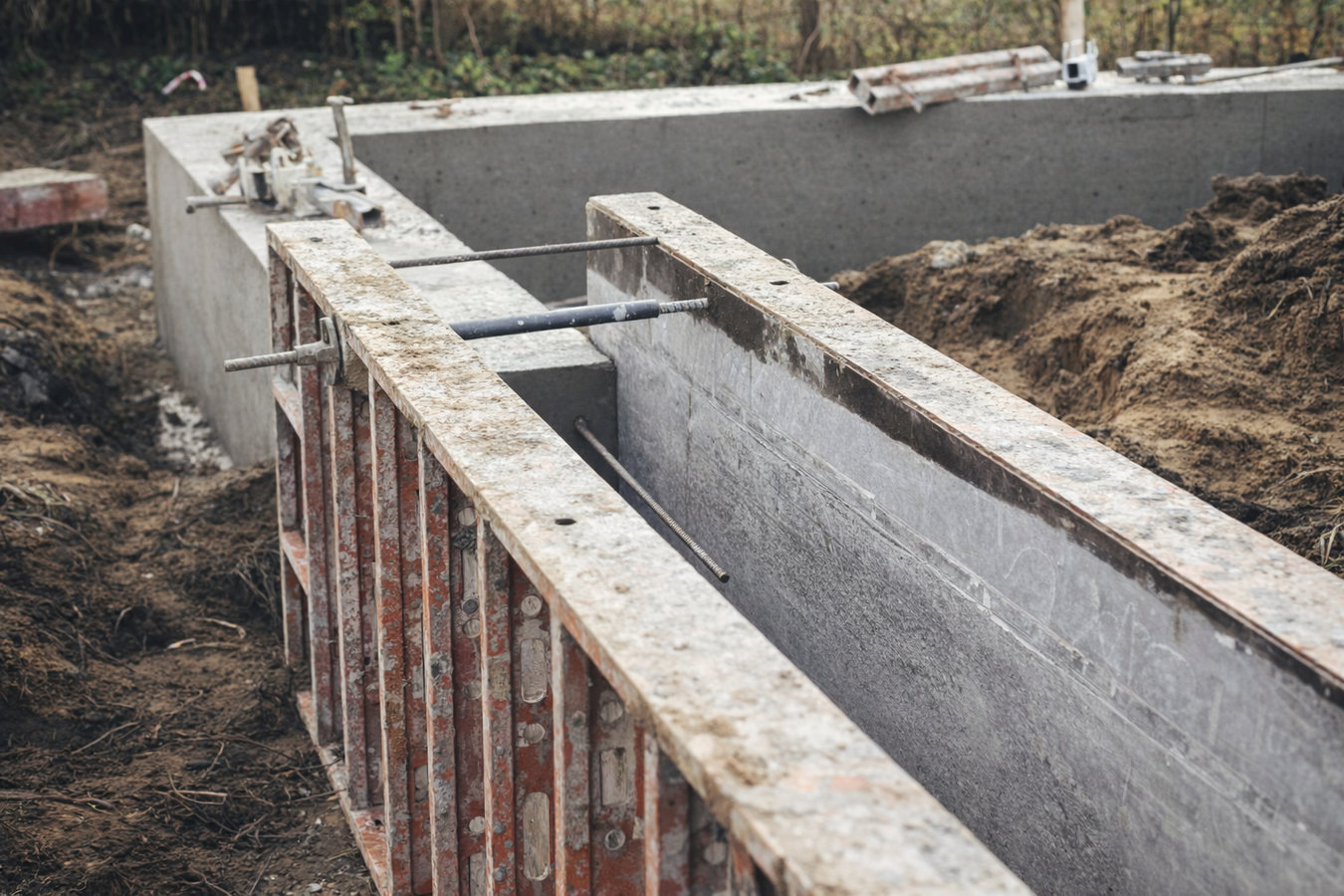
Foundation raising in Westfield lifts settled concrete back to its original level, closes gaps that allow water and cold air in, and restores the structural support your home depends on. Most residential jobs are completed within one to three days, with no major excavation required.
If your floors are sloping, your doors are sticking, or you have seen diagonal cracks running from the corners of windows and door frames, those are all signs that your foundation has moved. In Westfield, the combination of clay-heavy soils and repeated freeze-thaw cycles through winter makes settlement a common problem - especially in homes built before 1970. If you are also looking at how a solid foundation connects to the concrete around it, our slab foundation building page covers that work in detail.
The sooner a settled foundation is addressed, the less damage accumulates in the structure above it. Waiting through another winter usually means wider cracks, more interior damage, and higher repair costs.
If you can feel a noticeable slope walking across a room, or if the floor feels soft or springy in spots, the foundation below has likely dropped. This usually starts subtle and gets worse each winter as freeze-thaw cycles push things further. Left alone, it puts stress on the framing above and eventually causes structural damage.
When a foundation settles unevenly, the frame of the house racks slightly out of square, which causes doors and windows to bind in their frames. You might notice a door that used to close easily now needs a hard push, or a window that no longer latches properly. This is an early indicator that the structure has shifted below.
Cracks that run at a 45-degree angle from the corners of windows and doorways are a classic sign of differential settlement - one part of the foundation dropping faster than another. These cracks start thin but widen over time as movement continues. They are different from typical drywall settling cracks, which are usually vertical and hairline-thin.
A gap opening up between the baseboard and the floor, or between the ceiling and an interior wall, means the structure above is separating from where it used to sit. This is a clear sign the foundation has moved enough to pull the building apart slightly at the joints. These gaps grow over time and eventually require significant repair if the foundation is not corrected.
Our foundation raising work covers residential homes, garages, sheds, additions, and light commercial structures throughout Westfield and the surrounding Pioneer Valley. When a foundation settles, we assess how much it has dropped, what caused the movement, and what it will take to bring it back to level. If the settlement is related to concrete slab issues, we also handle concrete cutting to access problem areas beneath the slab before lifting begins.
Not every foundation problem is the same. Some homes have one corner that has dropped a few inches over decades. Others have a full perimeter that has settled gradually and unevenly. We scope each job individually and explain what we find in plain language before any work starts. Our written estimate covers the scope, method, and expected outcome - no vague pricing and no surprises on the day of the job.
Suits homeowners dealing with settled footings, sloping floors, or cracked walls on single-family homes, capes, and colonials.
Suits detached garage slabs and accessory structure foundations that have tilted or dropped enough to affect doors, floors, or structural integrity.
Suits attached additions, sunrooms, and covered porches that have settled away from the main structure, creating gaps and drainage problems.
Suits light commercial buildings, storefronts, and multi-family properties where an unlevel floor is a safety issue or is damaging interior finishes.
Westfield sits in the Westfield River valley, and much of the city has soils with a significant clay content. Clay soils absorb water and expand in wet conditions, then compress as they dry out. Over many years, this repeated expansion and contraction works against the footing below a foundation. Add the freeze-thaw cycles western Massachusetts gets through a typical winter - temperatures swinging above and below 32 degrees dozens of times between November and March - and the forces working against a foundation are constant and significant. Homes built before 1970, which represent a large share of Westfield's housing stock, often have footings designed for lighter loads and shallower depths than current code requires.
We work on foundations across the area, from older neighborhoods near downtown Westfield to properties in Southwick and Agawam where soil conditions create similar settlement patterns. If you live in a home that was built mid-century or have noticed the signs of settlement getting worse over the past few winters, this is the right time to have the foundation assessed before another freeze-thaw season adds to the damage.
Call or submit the form and we will respond within one business day. We ask a few questions about what you are seeing - sloping floors, stuck doors, visible cracks - so we come prepared to the site visit.
We visit the site, measure the settlement, look at what caused it, and explain what we recommend. You get a written estimate with a clear scope and price before we schedule any work. No pressure, no vague numbers.
Our crew arrives on the scheduled day with the right equipment for the job. Most residential lifts are completed in one to three days. We keep you informed throughout and clean up before we leave.
Before we wrap up, we walk the site with you to show what was done and confirm the foundation is back to level. We answer any follow-up questions and make sure you are satisfied with the result.
Free estimate, written quote, no pressure. We reply within one business day.
(413) 454-0027We assess what caused the settlement before recommending a fix. Lifting a foundation without understanding the root cause - whether it is drainage, soil compression, or footing depth - can mean the problem returns. We find the cause and address it as part of the scope.
Every foundation raising job gets a written estimate that covers exactly what we will do, how long it will take, and what it will cost. There are no surprise charges on the final invoice. Westfield homeowners on fixed budgets can plan around what we quote.
We have worked in Westfield and across Hampden County long enough to know how local clay soils behave through the freeze-thaw cycle. That local knowledge shapes how we scope and execute foundation raising work - it is not a one-size approach. Learn more about concrete standards from the American Concrete Institute publishes guidelines on concrete mix design and structural durability that inform how we approach this work.
We give you a realistic schedule before the job starts and stick to it. Our crew cleans up the site each day and completely before the final walk-through. You should be able to use your property normally after we leave.
Foundation raising is one of those jobs where cutting corners creates bigger problems later. We do it right the first time, with an honest assessment, a written scope, and work that holds up through western Massachusetts winters.
Precision concrete cutting to access settled areas beneath slabs and foundation walls before lifting begins.
Learn MoreNew monolithic and post-tensioned slab foundations for additions, garages, and new construction across Westfield.
Learn MoreCall Westfield Concrete today for a free foundation raising estimate - before the next freeze-thaw season makes the damage worse.