Serving Westfield, MA and surrounding areas. (413) 454-0027
Westfield Concrete
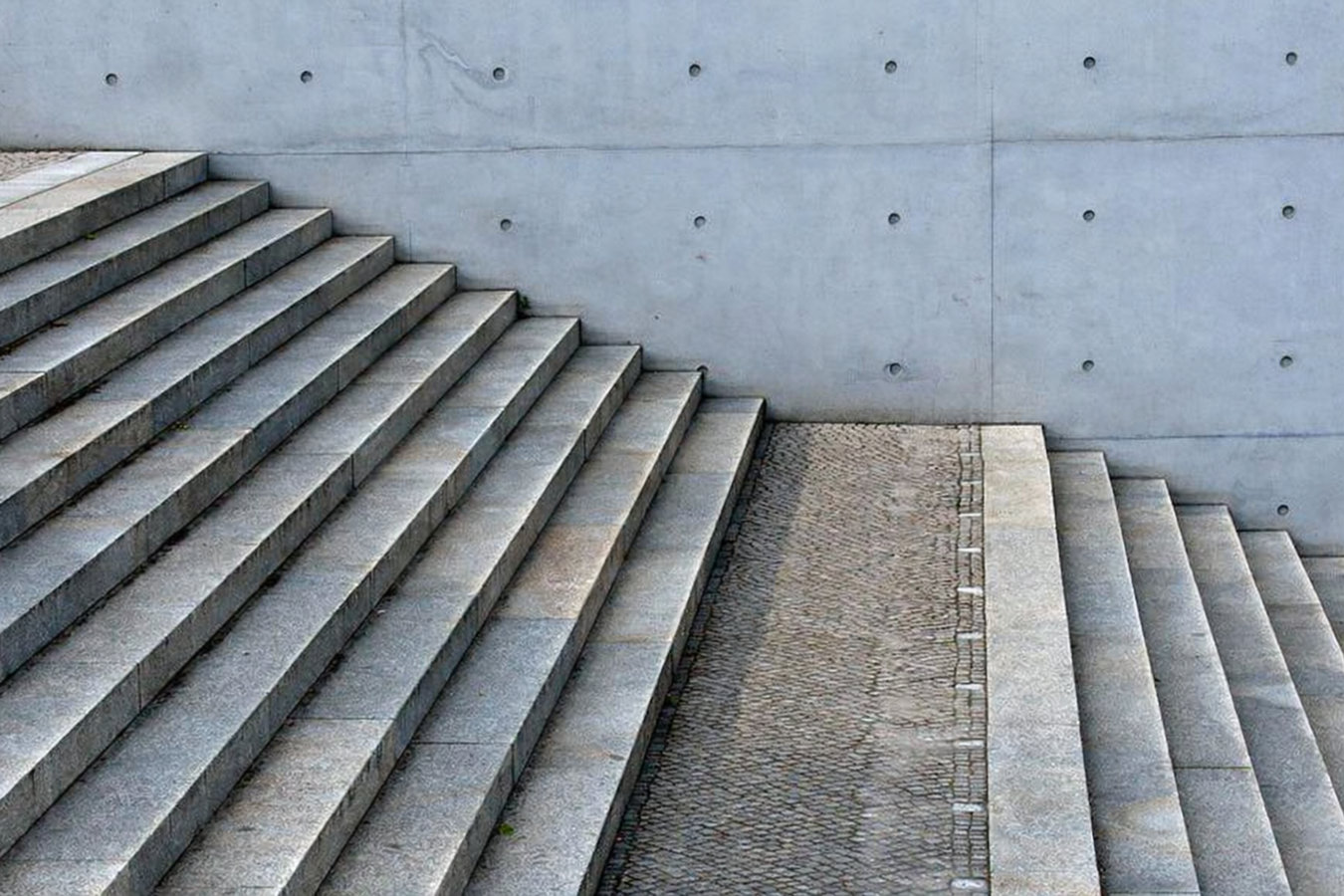
Cracked, tilting steps are a fall hazard every time it rains or freezes. We build new concrete entry steps in Westfield that are safe, level, and built to handle the winters here.
Concrete steps construction in Westfield means demolishing your old entry steps, preparing the ground, forming and pouring new concrete stairs - most residential jobs of three to five steps with a landing wrap up in one to two days of active work, followed by a curing period of about a week before regular foot traffic.
If your front steps have cracks that have grown wider, surfaces that flake when you sweep, or any section that feels uneven underfoot, those problems will get worse through each Westfield winter - not better. Concrete steps construction replaces a safety hazard with a solid, properly drained entry your household can rely on year-round. Homeowners who need both steps and an updated walkway often pair this with concrete retaining walls if the grade near the front of the house also needs correction.
Westfield's housing stock skews older - many homes in the city were built between the 1890s and the 1950s. If your steps are original to a home of that era, there is a good chance they are at or past the end of their useful life. A contractor can assess whether repair makes sense or whether a full replacement is the more cost-effective path.
Hairline cracks are common on older concrete, but if you can see gaps wider than a pencil tip - or gaps that have grown since last spring - water is getting in. In Westfield's winters that water freezes, expands, and makes the crack a little wider each cycle. What starts as cosmetic becomes structural quickly in this climate.
Chunks breaking off the edges of steps or a surface that looks like it is peeling in layers means the concrete has been damaged by repeated freeze-thaw cycles or years of salt exposure. Patching over this kind of damage rarely holds through another Westfield winter. Full replacement is almost always the more reliable fix.
Stand at the bottom of your steps and look from the side. If they lean away from the house, or one side sits noticeably higher than the other, the base underneath has shifted. Uneven steps are one of the most common causes of trip-and-fall injuries at home, and the problem does not correct itself on its own.
After a rain, water should drain off your steps quickly. If you see puddles sitting on the landing or in the middle of a tread, the surface has worn or settled unevenly. Standing water accelerates freeze-thaw damage and makes steps slippery in icy conditions - both serious risks in a Westfield winter.
We build concrete entry steps for front doors, side entrances, and rear entries - any configuration that needs a stable, durable staircase connecting the home to the ground. Every project starts with demolition and removal of the existing steps, proper base preparation with compacted gravel, and a concrete mix chosen for freeze-thaw durability. For homes where the grade near the entry also needs work, we often combine steps construction with slab foundation building or landscape grading so the entire front approach drains correctly.
Finish options include a standard broom texture for grip and practicality, or a brushed pattern that matches existing concrete elsewhere on the property. We handle permit applications, city inspections, and - where needed - coordination with railing installers if your steps require a guardrail. For homeowners doing broader exterior work at the same time, pairing step replacement with concrete retaining walls or a new walkway often saves mobilization costs.
The most common project - demolish existing cracked or tilting steps and pour a new set matched to the home's entry dimensions.
Good for homeowners with secondary entrances that need a safe, durable staircase without the visual emphasis of a front entry.
Suited for entries with a significant grade change where a top landing provides a transition from door to stairs.
Right for homeowners who want the new steps and walkway poured as a continuous connected surface for a clean, unified look.
The Pioneer Valley's freeze-thaw cycles are the biggest threat to concrete steps in Westfield. Temperatures swing above and below freezing dozens of times each winter, and every cycle gives water another chance to get into a crack and expand. Steps poured with the wrong mix or over an unstable base will not survive more than a few of these seasons without cracking and crumbling. Westfield's road departments use salt and chemical de-icers heavily through winter, and those products are corrosive to concrete surfaces - a sealed surface is the best protection. We have built and replaced steps throughout Westfield and regularly work in Agawam where the same seasonal conditions apply.
Many homes in Westfield were built between the 1890s and the 1950s, which means original concrete or stone steps may have steel reinforcement inside that has rusted and expanded over the decades - pushing the concrete apart from the inside. This kind of damage looks like surface bubbling and edge breakage and is not something that patches well. Homeowners in neighborhoods like those near Westfield State University, where older Colonial and Cape housing stock is common, often find that their steps are overdue for replacement by the time they move in. The same holds for properties we serve across the river in Southwick. A full pour on a properly prepared base is the fix that actually lasts.
We respond within one business day. We will ask how many steps you have, whether there is a landing, and whether you want to keep the same layout. Most jobs need a site visit before we can give an accurate final price - we schedule that quickly and follow up with a written estimate.
Your estimate covers demolition, materials, labor, and permit fees - everything in one number, no surprises on the final invoice. We then pull the required City of Westfield building permit on your behalf. That usually takes a few business days to a week.
On the first day, we break up and haul away the old steps - expect a few hours of loud work. Once the area is clear, we compact the soil, add gravel for drainage, and set the wooden forms in the shape of your new steps. Plan to use a side or back entrance starting this day.
We pour the concrete, finish the surface, and let it cure for at least a week before regular foot traffic. After curing we schedule the city inspection. Once that clears, we walk you through sealing - applying a sealer within the first few months is the best protection against Westfield's road salt and freeze-thaw conditions.
We respond within one business day, provide written estimates covering all costs, and handle every Westfield permit requirement so you do not have to.
(413) 454-0027We assess your existing steps and tell you plainly whether repair makes sense or whether full replacement is the right call for your situation. Many contractors patch when they should replace - we give you the honest read so you are not calling again in two years. The Portland Cement Association guidance we follow on subgrade preparation directly affects how long your new steps last.
We pull the City of Westfield building permit before any work begins and coordinate the final inspection. You get a permanent city record that your steps were built to code - which matters when you sell your home. You should not have to navigate the permit office yourself.
We use concrete mixes suited for western Massachusetts winters, including air-entrained mixes that resist freeze-thaw cracking and surface pitting. Westfield homeowners use road salt and ice melt heavily - we also recommend and apply a penetrating sealer after the steps cure to give them the best possible protection.
Many homes in Westfield were built before 1960, and we have replaced original steps on properties throughout the city. We know what to look for in older concrete - rusted rebar, improper base prep, non-standard step dimensions - and how to build new steps that integrate cleanly with an older home's entry.
Safe, properly built concrete steps are one of those things homeowners do not think about until they become a problem. We make it easy to get the problem fixed correctly - written estimate, permit handled, clean work, and honest follow-through from first call to final inspection.
Pair new entry steps with a poured slab foundation for garages or additions that need a stable, level base.
Learn MoreCorrect the grade near your entry and prevent soil erosion with a concrete retaining wall built alongside your new steps.
Learn MoreWestfield contractors fill their spring schedules fast - reach out now and we will have your estimate ready within one business day so you can lock in your spot.